
MAMBILLA PLATEAU
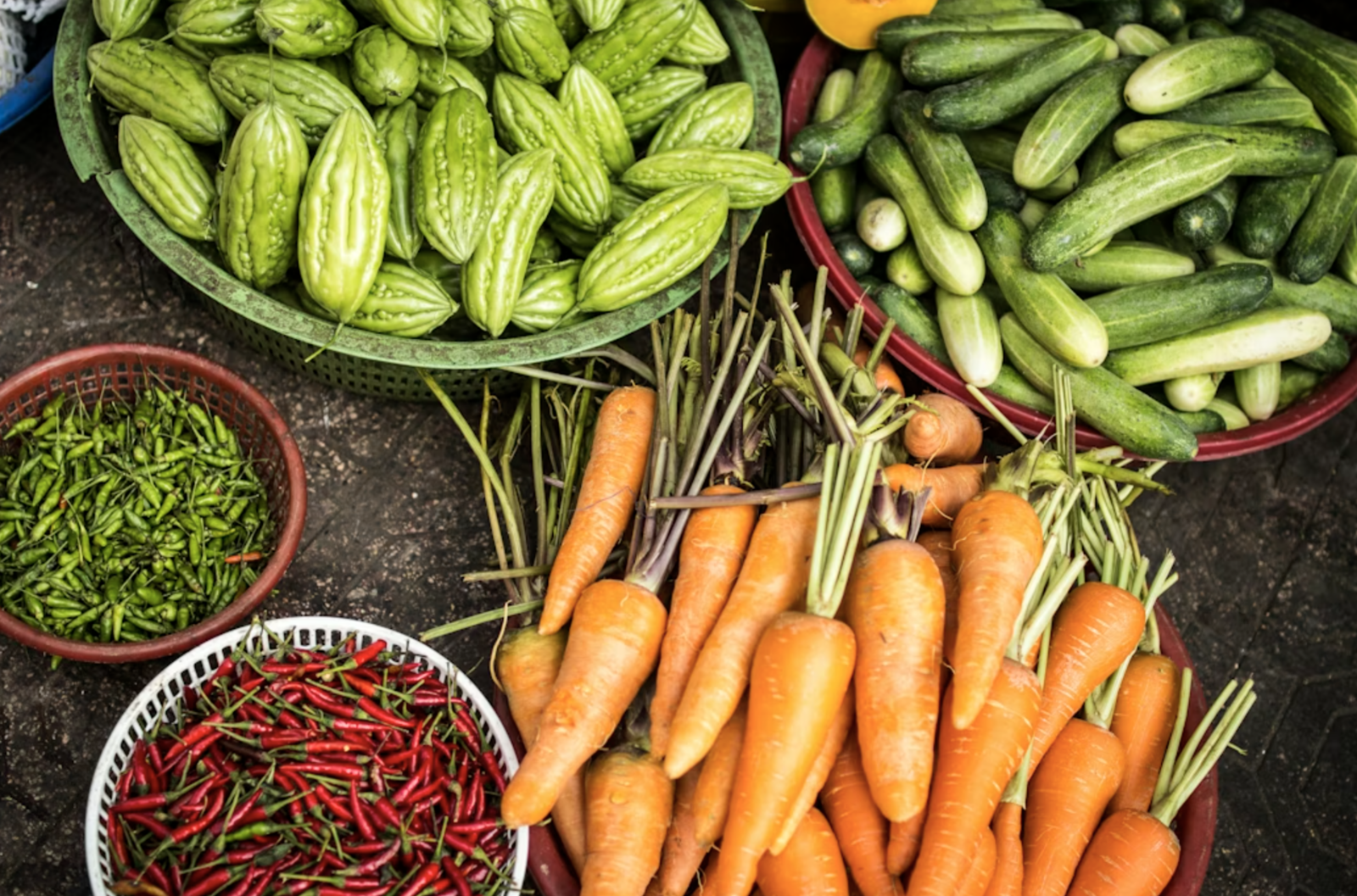
The Nguroje-Mambilla Agro-Industrial Hub (The NMA Hub) represents AADC's strategic expansion into Nigeria's premium highland agricultural region. Located on the Mambilla Plateau at an elevation of approximately 1,600 meters above sea level, this unique agro-ecological zone offers ideal conditions for high-value agricultural production and value-added processing.
Our investment model focuses on establishing world-class infrastructure and processing facilities for key high-value, low-volume agricultural commodities that thrive in this temperate climate. The NMA Hub provides essential infrastructure, processing facilities, storage, and logistics support to enable farmers and agribusinesses to add value to primary commodities for both domestic and international markets.
This transformative initiative aims to establish the Mambilla Plateau region as a leading agro-industrial hub in Nigeria, providing modern, end-to-end farm-to-finished product services while increasing incomes, creating jobs, and boosting exports.
Comparative Advantages

Temperate Climate
Average temperatures of 16-25°C year-round, ideal for temperate crops and livestock that cannot thrive in Nigeria's predominantly tropical climate

Abundant Water Resources
High annual rainfall (1,800-2,000mm) and numerous streams and rivers provide reliable water for irrigation and processing
Fertile Soil
Rich volcanic soils with high organic matter content, perfect for intensive cultivation of high-value crops

Natural Pest Resistance
Higher altitude reduces pest pressure, enabling reduced pesticide use and facilitating organic production

Renewable Energy Potential
Excellent conditions for solar, wind, and hydro power generation to support sustainable agro-processing

Strategic Location
Proximity to major domestic markets and international borders for export opportunities
Investment Opportunities
Key components of The NMA Hub offering attractive returns
The Cattle Dairy Value Chain

State-of-the-art facilities for processing milk into premium dairy products, including yogurt, cheese, butter and creams. The temperate climate of Mambilla Plateau is ideal for high-yielding dairy cattle breeds that struggle in Nigeria's hotter regions;
- 5,000+ Liters Daily Capacity
- 35% Profit Margin
- ₦500M+ Annual Revenue Potential
The Cattle Beef Value Chain
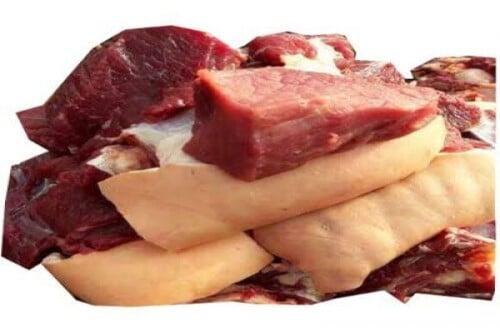
Modern processing and packaging facilities for premium beef cuts, leveraging the natural advantages of highland cattle production. Our facilities will meet international standards for export markets while serving Nigeria's growing demand for quality beef products.
- 100+ Cattle Processed Weekly
- 30% Profit Margin
- ₦750M+ Annual Revenue Potential
The Exotic Fruits Value Chain
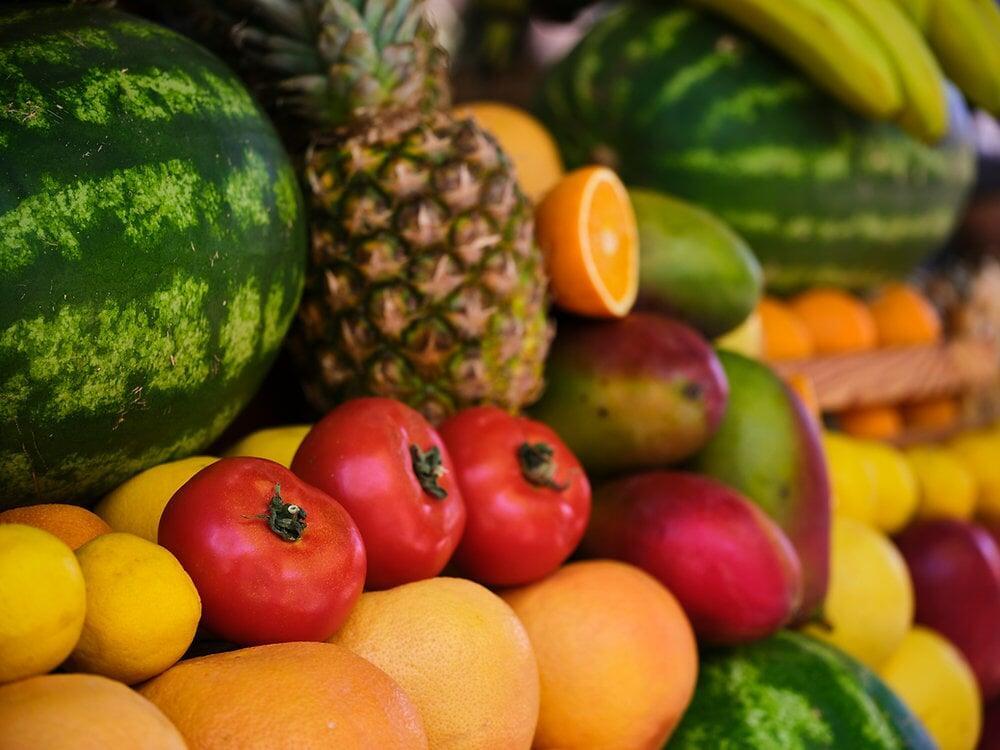
Specialized facilities for processing and packaging high-value temperate fruits that thrive in Mambilla's unique climate, including table grapes, dragon fruits, passion fruits, pomegranates, raspberries, and mulberries. These premium products target both domestic luxury markets and export opportunities;
- 12+ Fruit Varieties
- 45% Profit Margin
- ₦600M+ Annual Revenue Potential
The Beverage Value Chain

Specialized facilities for processing and packaging premium coffee and tea, leveraging Mambilla's ideal growing conditions for these high-value crops. The region's altitude, rainfall, and temperature create perfect conditions for specialty coffee and tea varieties that command premium prices;
- 500+ Hectares Potential
- 40% Profit Margin
- ₦850M+ Annual Revenue Potential
Supporting Infrastructure
Essential facilities that enhance the value chain operations
Renewable Energy Infrastructure
Off-grid solar, wind, and micro-hydro power systems to ensure reliable, sustainable energy for all hub operations, reducing operational costs and carbon footprint.

Warehousing & Cold Chain
Modern storage facilities with temperature-controlled environments for perishable products, ensuring year-round availability and maintaining premium quality.

Multipurpose Training Center
Comprehensive facilities for training farmers, agribusiness operators, and processors in modern techniques, quality standards, and business management.

One-Stop Shop
Centralized facility providing agricultural inputs, extension services, financing, and insurance to support all value chain participants and ensure consistent quality and standards.

Logistics Network
Integrated transportation and distribution systems connecting the hub to major markets, including specialized vehicles for perishable products and digital tracking systems
Investment Model
A structured approach to partnership and returns
Public-Private Partnership
The NMA Hub operates on a Build-Operate-Own (BOO) model that balances risk and reward between investors and operators:
Investor Contribution: Initial capital investment, land allocation, infrastructure development, and enabling policy environment DAPCO Contribution: Technical expertise, operational management, market linkages, and commercial operationalization Revenue Sharing: Structured returns to investors based on pre-agreed terms, ensuring sustainable profitability for all stakeholders Phased Implementation: Strategic rollout of components to manage risk and demonstrate success before scaling
Financial Highlights
Implementation Timeline
Strategic phasing for sustainable development
Phase 1: Foundation (Months 1-6)
- Finalize investment agreements and partnerships
- Secure land and necessary permits
- Develop detailed architectural and engineering plans
- Begin site preparation and basic infrastructure development
Phase 2: Core Infrastructure (Months 7-18)
- Construct renewable energy systems
- Develop water supply and waste management systems
- Build central warehousing and cold storage facilities
- Establish training center and one-stop shop
Phase 3: Initial Value Chains (Months 19-30)
- Develop dairy processing facilities
- Establish beef processing operations
- Begin farmer engagement and training programs
- Launch initial market linkages and distribution networks
Phase 4: Expansion (Months 31-48)
- Develop exotic fruits processing facilities
- Establish beverage processing operations
- Expand farmer networks and outgrower schemes
- Enhance market presence and distribution channels
Phase 5: Full Operation (Month 49 onwards)
- Achieve full operational capacity across all value chains
- Optimize processes and enhance efficiency
- Expand export markets and international certifications
- Develop additional value-added product lines
Social & Economic Impact
Creating sustainable value beyond financial returns

Job Creation
10,000+ direct and indirect jobs across the value chains, from primary production to processing, logistics, and services

Income Enhancement
50-100% increase in farmer incomes through improved productivity, premium products, and reduced post-harvest losses
Skills Development
Comprehensive training programs for 5,000+ farmers and agribusiness operators in modern agricultural techniques and business management

Export Earnings
$10-15 million in annual foreign exchange earnings through export of premium agricultural products

Industrial Development
Catalyzing broader industrial growth through forward and backward linkages, technology transfer, and infrastructure development
Environmental Sustainability
Promotion of climate-smart agricultural practices, renewable energy use, and sustainable resource management
Join the Mambilla Transformation
Become part of this groundbreaking initiative to create Nigeria's premier highland agro-industrial hub while generating attractive returns on investment.
NAMTARI PROJECT
EXECUTIVE SUMMARY
The Integrated Irrigated Rice + Rotational crop Farm - Namtari Project (IRF-NP) is a transformative initiative demonstrating the power of the Integrated Impact Enterprise (IIE) model. This project, led by The Agricultural Assets Development Company (AADC), leverages private-sector innovation to address critical development challenges, accelerate progress towards the Sustainable Development Goals (SDGs), and foster inclusive economic growth in the Benue River Valley of Adamawa State, Nigeria.
The IRF-NP offers a unique opportunity for partners to achieve their mandates through a proven, scalable, and impactful project that combines food security, poverty alleviation, community development, and environmental stewardship.
THE IIE BUSINESS MODEL
Core Principles
- Private Sector Leadership: Groups of companies and individuals with relevant expertise form an entity focused on sustainable development through commercial activities.
- High Impact Areas: Projects are chosen based on their ability to address multiple SDGs simultaneously, such as agriculture, which impacts food security (SDG 2), poverty (SDG 1), health (SDG 3), and climate action (SDG 13).
- Wealth Creation for All: The model ensures that profit generation drives community wealth and development by creating a symbiotic relationship where each stakeholder benefits, particularly through the empowerment of women, youth, and internally displaced persons (IDPs).
- Integrated SDG Focus: At least 10 SDGs are directly addressed through the entity's core business activities, ensuring that sustainable development is not an add-on but a fundamental aspect of business strategy.
- Development Framework: A structured approach to community enhancement, focusing on education, health, infrastructure, and economic opportunities, tailored to local needs.
- Policy Implementation Support: Working closely with government agencies to translate policy into action, ensuring local policy frameworks are supportive of the entity's goals.
- Profit Orientation: High profitability is pursued not only for business sustainability but also to reinvest in community projects, ensuring a cycle of growth and development.
NAMTARI PROJECT OVERVIEW
AADC's Integrated Rice Farming and Nutrition Program (IRF-NP) is strategically located in Jimeta-Yola, the capital of Adamawa State, just 15 minutes from Yola International Airport, with access via a World Bank-financed RAMP road. The 5,000-hectare site, owned & aggregated by AADC through its Agricultural LandBank (ALB) System, is situated on fertile land along the River Benue, ensuring year-round water availability for production.
The project has already supported smallholder farmers on a 50-hectare rice production that yielded 8.4T of rice. Currently, 1,000 ha is being prepared for rice production, with plans to scale and crop rotate 2,000 ha for alfalfa, 1,000 ha for maize, 500 ha for sesame, and 500 ha for livestock & aquaculture. The location includes areas for rice processing, storage, drying, equipment housing, and worker accommodation.
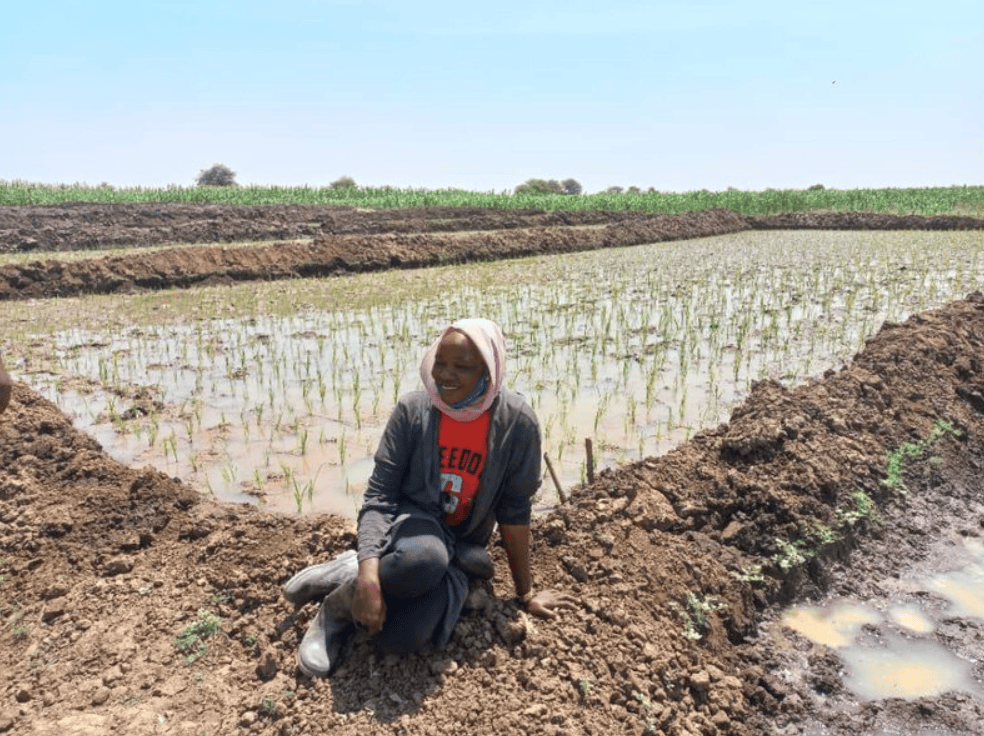
Smallholder farmers working on rice paddies at the Namtari Project site
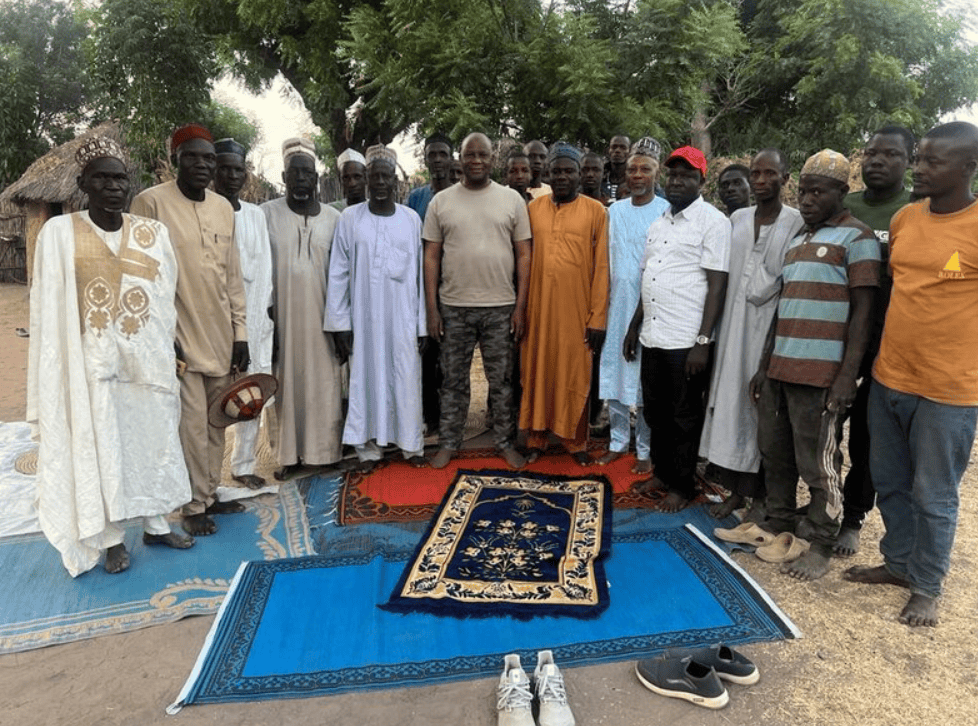
Namtari Community Development and Sustainability Marshals (NCDSM)
PROJECT IMPACT
Food Production
The Inclusive, Integrated, Irrigated Rice + Rotational Crop Farm-Namtari Project (3IRF-NP) is located in the Upper River Benue Valley, in the Namtari District of Yola North Local Government Area of Adamawa State. Powered by the Integrated Impact Enterprise (IIE) model, it targets an initial annual production of 14,000 Metric Tonnes p.a of rice on 1,000 hectares of irrigated farmland, based on an Average Yield of 7 Mt/Ha. This section of the Upper River Benue Valley has the potential to scale up to 30,000 hectares, producing about 210,000 Mt of Paddy Rice annually, significantly reducing Nigeria's rice import dependency.
Job Creation
The 1000 Ha 3IRF-NP, serving as a center of agricultural excellence, will generate about 5,000 direct and indirect jobs, with 60% dedicated to women and youth. It boosts rural employment, enhances farmer skills through training, and promotes financial inclusion—empowering communities, reducing poverty, and advancing gender equity.
14,000
Metric Tonnes of Rice Annually
5,000+
Direct & Indirect Jobs
60%
Women & Youth Participation
11
Communities Impacted
Community Impact
The project directly impacts 11 immediate communities surrounding the farms, with a combined estimated population of 15,000 people. These communities benefit from job creation, financial inclusion, healthcare, and capacity-building initiatives, ensuring inclusive growth and development.
SDG Alignment
The IRF-NP directly contributes to the following Sustainable Development Goals:
SDG 1
Zero Poverty
SDG 2
Zero Hunger
SDG 5
Gender Equality
SDG 8
Decent Work and Economic Growth
SDG 13
Climate Action
SDG 17
Partnerships for the Goals
OPERATIONAL EXCELLENCE
Technology Integration
At DAPCO, operational excellence is driven by Best Agricultural Practices (BAPs) and the integration of advanced technology across all aspects of our rice farming operations. These include precision agriculture tools such as drones and soil sensors to monitor crop health, optimize input use, and improve yield forecasts in real time. Solar-powered irrigation systems ensure energy-efficient and climate-resilient water management, reducing dependence on fossil fuels and enhancing sustainability.
Community Engagement
DAPCO places strong emphasis on community involvement by integrating smallholder farmers into every stage of our agricultural value chain. Through educational training programs, capacity-building workshops, and fair partnership models, we have empowered local farmers with the skills and tools needed for increased productivity and profitability. Our Agricultural Land Banks (ALBs) create access to shared resources and infrastructure, while our inclusive approach fosters loyalty, trust, and long-term collaboration.
We have enrolled community members into the Namtari Community Development & Sustainability Marshals (NCDSM) as frontline SDG marshals and being integrated into a broader community of change agents.
RISK MITIGATION MEASURES
Environmental Risk Mitigation
- Flooding: Use flood-tolerant varieties, build bunds (0.3–0.5 m) and cofferdams, time planting (June 10–30).
- Drought: Implement Alternate Wetting and Drying (AWD) to save 30% water, construct reservoirs, use laser leveling for 5–10% yield boost.
- Soil Erosion: Practice conservation agriculture, apply balanced N-P-K fertilizers, manage salinity with gypsum.
- Pests/Diseases: Use Integrated Pest Management (IPM).
Economic Risk Mitigation
- Input Costs: Advocate for subsidies.
- Market Fluctuations: Engage in contract farming, invest in on-farm processing.
- Labor Shortages: Use labor-saving tech.
Social and Policy Risk Mitigation
- Land Conflicts: Formalize land titles, establish mediation committees.
- Extension Services: Set up Farmer Field Schools, use digital tools for alerts.
- Policy Gaps: Advocate for funding, form public-private partnerships.
Location & Facilities
DAPCO's IRF-NP is strategically located in Jimeta-Yola, the capital of Adamawa State of Nigeria, within just a 15-minute drive from the Yola International Airport. It is a unique farm location because it is located within the heart of the state capital in Yola North local government area. Access to the farm is through a World Bank-financed Rural Access and Mobility Project (RAMP) road.
The farmland is extremely fertile and annexes the River Benue with water availability year-round for our rice farming operations. Our operational headquarters is based in Jimeta Yola, the capital of Adamawa State. It serves as the central hub for agricultural/field administration, management, and logistics.
The IRF-NP area has 2000 hectares dedicated to rice farming, with additional hectares set aside as designated areas for rice processing and milling, paddy storage and drying areas, equipment sheds and workshops, farm service roads, temporary accommodation for field workers, etc.
Interested in Learning More?
Contact us for more information about the NAMTARI PROJECT and partnership opportunities.