
COCOA
Commodity Overview
Cocoa (Theobroma cacao) stands as one of Nigeria's most valuable agricultural export commodities, positioning the nation as Africa's fourth-largest producer and the world's sixth-largest cocoa supplier. With annual production exceeding 250,000 metric tons, Nigerian cocoa commands premium prices in international markets due to its distinctive flavor profile and high butter content, characteristics particularly prized by European chocolate manufacturers. The global cocoa market, valued at over $12 billion annually and projected to reach $16 billion by 2028, presents substantial opportunities for Nigerian producers to capture increased market share through quality improvement and production expansion.
The economic importance of cocoa to Nigeria's agricultural sector cannot be overstated. Cocoa cultivation provides direct employment to over 300,000 farming families across six southwestern states, with an additional 500,000 individuals engaged in processing, transportation, and export activities. The commodity contributes approximately $800 million annually to Nigeria's foreign exchange earnings, making it the nation's third-largest agricultural export after sesame and cashew. Beyond direct economic impact, cocoa farming supports rural development through infrastructure investment, promotes environmental sustainability through agroforestry practices, and preserves biodiversity in production zones. The Nigerian Cocoa Association estimates that optimal production conditions could triple current output to 750,000 metric tons annually, potentially generating over $2 billion in export revenue.
Nigeria's cocoa production potential remains significantly underutilized despite favorable agro-ecological conditions across the southern forest belt. The country possesses over 1.2 million hectares of land suitable for cocoa cultivation, yet only 800,000 hectares are currently under production, with many farms operating at 40-60% of optimal yield due to aging tree stock and suboptimal management practices.
The cocoa value chain presents multiple investment opportunities beyond primary production. Processing infrastructure development offers particularly attractive returns, as Nigeria currently exports over 95% of cocoa as raw beans, foregoing substantial value-addition opportunities. Establishing local grinding facilities to produce cocoa liquor, butter, and powder could capture 40-60% more value per ton while meeting growing domestic demand from Nigeria's expanding confectionery and cosmetics industries.
Investment in Nigerian cocoa production offers compelling advantages in the current global context. Growing worldwide demand for premium, sustainably-produced cocoa aligns perfectly with Nigeria's capacity to supply certified organic and fair-trade cocoa, segments commanding 20-40% price premiums. European Union regulations increasingly favor traceable, deforestation-free cocoa, positioning Nigerian producers who adopt certification standards advantageously against competitors in regions facing sustainability challenges. The recent appreciation of cocoa prices, reaching multi-year highs above $3,500 per ton, reflects global supply constraints that Nigerian production expansion could profitably address. Government policy support, including tax holidays for agricultural processors, duty-free importation of farming equipment, and subsidized credit facilities, creates a favorable enabling environment for cocoa investments. With proper management, cocoa farms achieve profitability within 3-5 years and maintain productive capacity for 25-30 years, offering long-term returns that few agricultural commodities can match.
Nigeria's Cocoa Production Zones
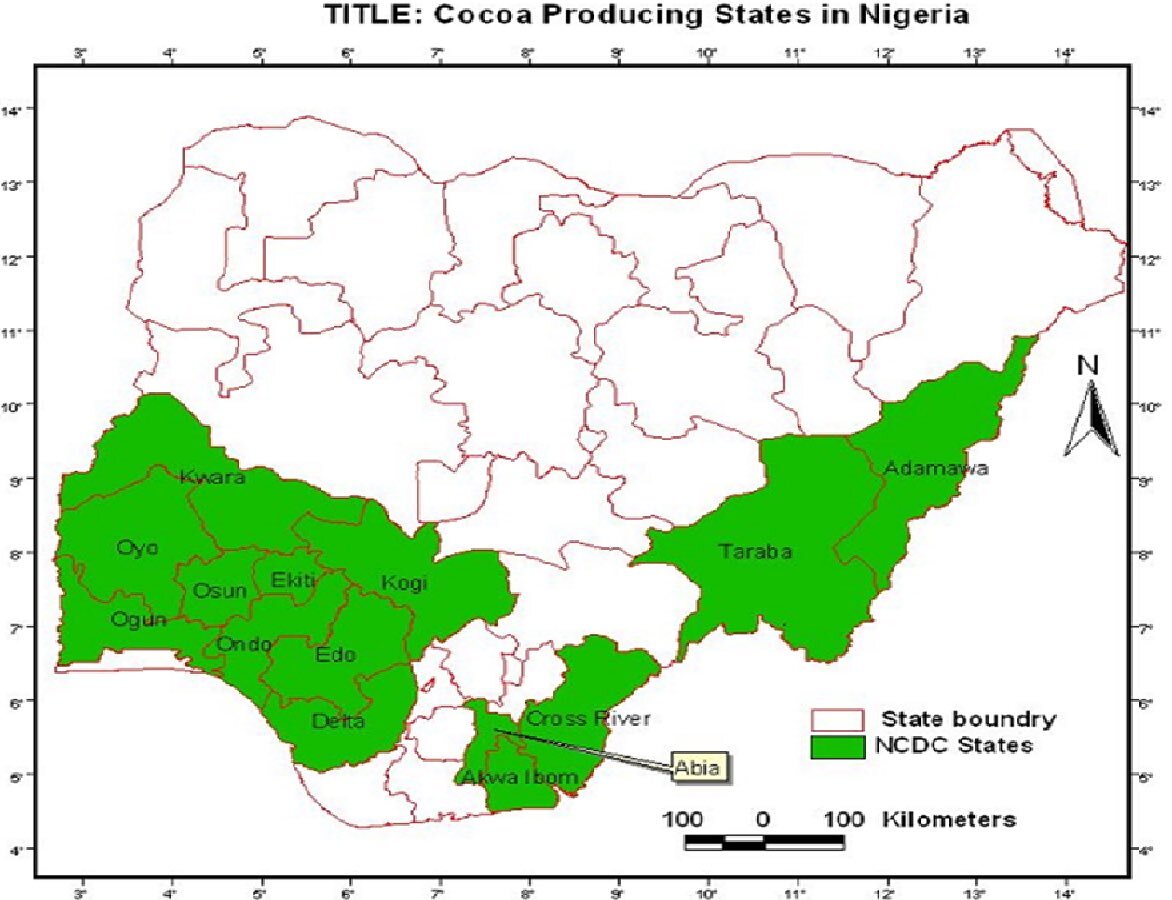
Top 3 Producing States
1. Cross River State
Cross River State dominates Nigerian cocoa production through an exceptional combination of optimal agro-ecological conditions, established farming expertise, and superior logistics infrastructure. The state accounts for approximately 35% of national cocoa output, producing over 85,000 metric tons annually from roughly 280,000 hectares under cultivation.
Cross River's competitive advantage stems from its location within the Guinea-Congo rainforest zone, which provides ideal year-round humidity, consistent rainfall distribution, and rich forest soils that cocoa trees require for optimal growth. Unlike other producing states that experience pronounced dry seasons, Cross River maintains moisture levels conducive to continuous pod development.
Infrastructure advantages further cement Cross River's first-place ranking. The Calabar seaport provides direct export access, reducing transportation costs and time-to-market compared to inland producing states that must truck cocoa to Lagos ports.
Cross River State Map
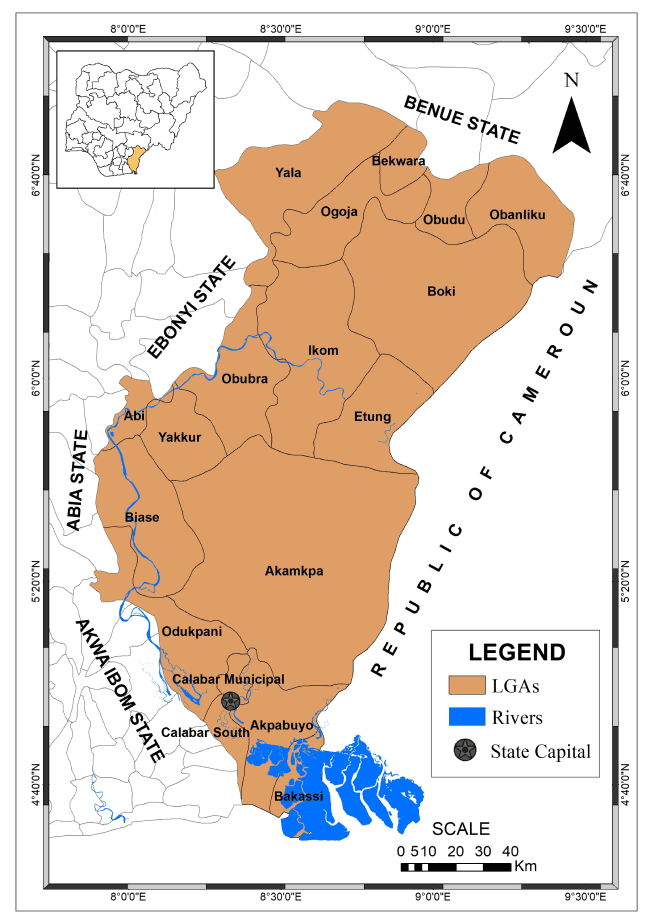
Best Regions/LGAs for Production
Primary LGA: Akamkpa
Akamkpa Local Government Area represents the epicenter of Cross River cocoa production, contributing over 30% of the state's total output. Located in the southern rainforest zone approximately 60 kilometers north of Calabar, Akamkpa benefits from deep, well-drained forest soils with high organic matter content and slightly acidic pH (5.5-6.5) that cocoa trees thrive in. The area receives 2,000-2,500mm of rainfall annually with excellent distribution across ten months.
Secondary LGA: Biase
Biase Local Government Area ranks as Cross River's second-most productive cocoa zone, distinguished by its extensive forest reserves that provide natural shade and biodiversity benefits to cocoa cultivation. The LGA's slightly higher elevation (100-300 meters) and proximity to the Biase Forest Reserve create cooler nighttime temperatures that enhance cocoa flavor development.
Tertiary LGA: Odukpani
Odukpani Local Government Area, positioned along the Calabar-Ikom highway, offers strategic advantages through superior road connectivity and proximity to Calabar's port and processing facilities. The LGA's key advantage is its position as a natural aggregation point for cocoa from surrounding LGAs, making it ideal for processing facilities and export logistics centers.
Growing Conditions

Climate
A peep at some distant orb has power to raise and purify our thoughts like a strain of sacred music, or a noble picture.
Soil Type
A peep at some distant orb has power to raise and purify our thoughts like a strain of sacred music, or a noble picture.

Rainfall
A peep at some distant orb has power to raise and purify our thoughts like a strain of sacred music, or a noble picture.

Temperature
A peep at some distant orb has power to raise and purify our thoughts like a strain of sacred music, or a noble picture.

Altitude
A peep at some distant orb has power to raise and purify our thoughts like a strain of sacred music, or a noble picture.

Water Availability
A peep at some distant orb has power to raise and purify our thoughts like a strain of sacred music, or a noble picture.
Project Implementation Strategy
Phase 1: Land Acquisition & Preparation (Months 1-6)
Conduct site selection within optimal LGAs, prioritizing forest soil types and good drainage. Engage local chiefs for land acquisition. Target 50-100 hectares for commercial operations. Conduct comprehensive soil testing, clear land carefully preserving shade trees, establish internal roads and drainage, develop water points, and source improved hybrid seedlings from certified suppliers.
Phase 2: Planting & Establishment (Months 7-18)
Begin planting at onset of major rainy season (April-May). Mark positions at 3m x 3m spacing. Plant healthy 6-8 month seedlings, apply thick mulch, establish temporary shade using plantain/banana. Implement intensive weed control and pest monitoring. Apply ring weeding monthly for first year.
Phase 3: Maintenance & Growth (Months 19-48)
Apply balanced fertilizer (NPK 15-15-15) at 400g per tree every six months. Implement formative pruning from year 2. Intensify disease monitoring for black pod disease. Manage shade tree populations, gradually reducing temporary shade as cocoa canopies develop to optimal 30-40% shade level.
Phase 4: Harvesting & Processing (Months 49+)
First commercial harvest at 30-36 months. Harvest ripe pods at 2-3 week intervals during peak seasons. Break pods within 24 hours. Implement proper fermentation (5-6 days for amelonado) in wooden boxes. Sun-dry beans to 6-7% moisture content. Store in clean jute bags in ventilated warehouses.
Phase 5: Marketing & Distribution (Ongoing)
Develop marketing strategies before first harvest. Join farmer cooperatives for better prices. Consider direct export for operations producing 50+ tons annually. Pursue quality certifications (organic, Rainforest Alliance) for 20-40% price premiums. Diversify revenue through value addition and local processing.
Key Advantages & Success Factors
Infrastructure & Logistics
Calabar seaport provides direct export access, reducing costs by ₦15,000-20,000 per ton. Over 200 licensed buying agents create competitive markets. Ongoing road rehabilitation improves farm-to-market connectivity.
Market Access
Highest concentration of buying agents in Nigeria. Proximity to export facilities means faster time-to-market. Strong cooperative networks facilitate collective marketing and premium market access.
Technical Expertise
Century-long cocoa tradition creates deep knowledge. Cross River Cocoa Seedling Multiplication Center produces 2+ million improved seedlings annually. CRIN provides technical backstopping.
Government Support
Cross River Cocoa Development Project provides subsidized inputs. CBN Anchor Borrowers' Program offers single-digit interest loans. Tax incentives and pioneer status for processors reduce investment costs.
Input Availability
Well-developed supply chains ensure fertilizer and pesticide availability. State seedling center plus private nurseries provide improved planting materials. Equipment suppliers in Calabar provide processing machinery.
2. Ondo State
Ondo State secures the second position among Nigeria's cocoa producing states through favorable agro-ecological conditions in its forest belt, strong institutional support from the Cocoa Research Institute of Nigeria (CRIN) headquartered in Ibadan (neighboring state), and well-established farming traditions. The state accounts for approximately 25% of national cocoa output, producing over 60,000 metric tons annually.
Ondo's competitive advantage stems from suitable rainfall patterns (1,400-1,800mm annually), appropriate soils, and good road connectivity to Lagos markets. The state's cocoa farming tradition spans over a century, creating technical expertise and established marketing channels.
Ondo State Map
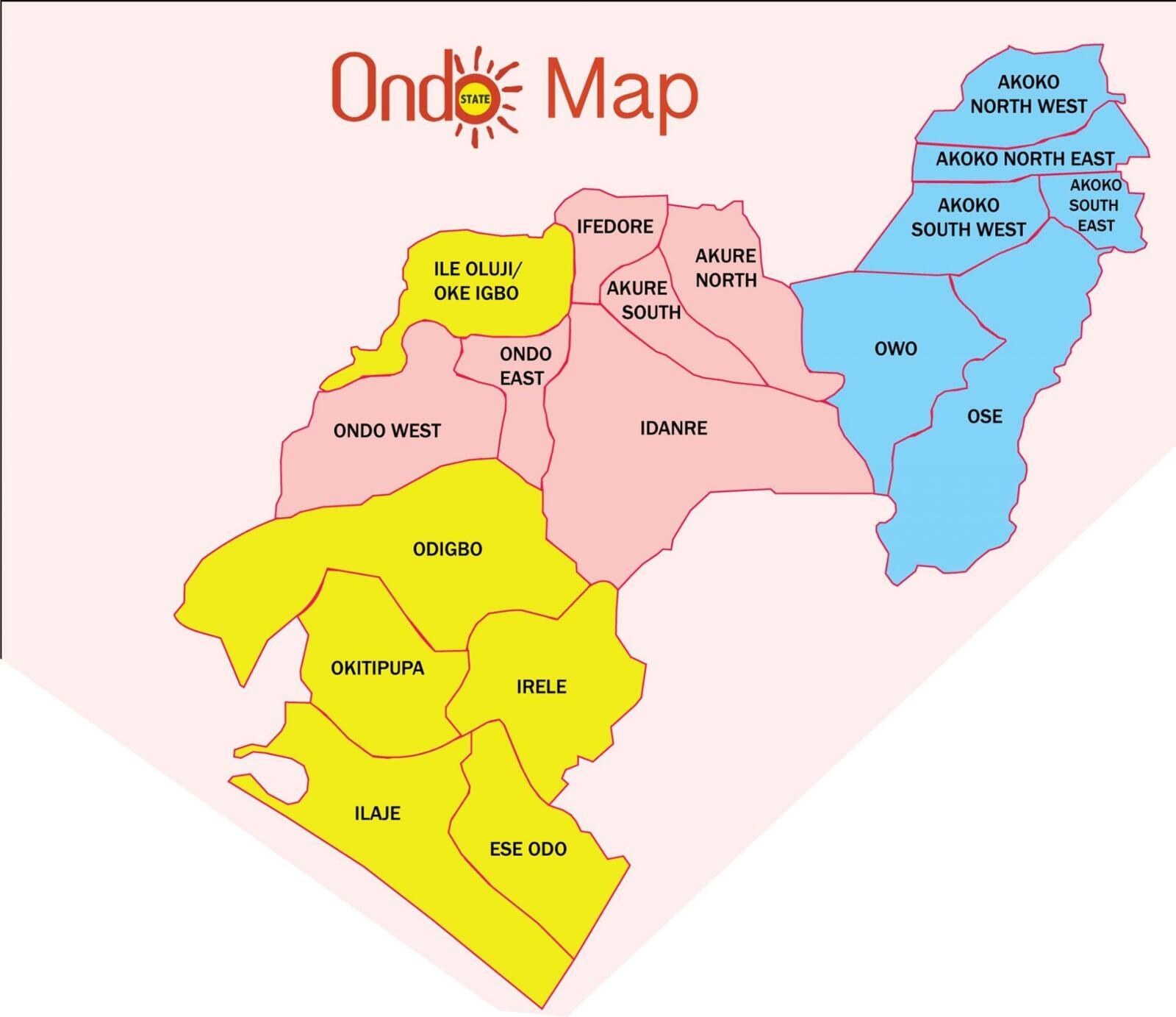
Best Regions/LGAs for Production
Primary LGA: Idanre
Idanre Local Government Area stands as Ondo State's premier cocoa-producing zone, renowned for producing the highest quality cocoa in the state. The area's unique topography featuring the famous Idanre Hills creates microclimates with excellent air drainage and well-distributed rainfall. Deep forest soils possess exceptional fertility ideal for cocoa cultivation.
Secondary LGA: Owo
Owo Local Government Area ranks as Ondo's second-most important cocoa zone, distinguished by its extensive production area and strong cooperative organization. The area's location along the Akure-Benin highway provides excellent road access, reducing transportation costs.
Tertiary LGA: Ile-Oluji/Okeigbo
Ile-Oluji/Okeigbo Local Government Area offers a balance of favorable growing conditions and developing infrastructure. The area presents opportunities for investors willing to invest in infrastructure development alongside production.
Growing Conditions
Climate
Tropical climate with distinct wet (April-October) and dry (November-March) seasons. More pronounced dry season than Cross River requires careful moisture management.
Soil Type
Deep, well-drained forest soils (Alfisols and Ultisols) with good physical properties. pH 5.5-6.5, moderate organic matter (3-5%) requiring regular replenishment.
Rainfall
Annual precipitation 1,400-1,800mm, adequate but at lower end of optimal range. Seasonal distribution requires dry season management.
Temperature
Suitable year-round temperatures 28-32°C daily maximum, 20-24°C minimum. Greater variation than Cross River with cooler dry season nights.
Altitude
Production at 100-400 meters elevation. Higher areas around Idanre Hills (300-400m) benefit from cooler temperatures and better air drainage.
Water Availability
Adequate wet season rainfall but pronounced dry season creates moisture stress. Access to supplemental water sources provides advantages for nurseries and young plantings.
Project Implementation Strategy
Phase 1: Land Acquisition & Preparation (Months 1-6)
Conduct site selection within optimal LGAs, prioritizing forest soil types and good drainage. Engage local chiefs for land acquisition. Target 50-100 hectares for commercial operations. Conduct comprehensive soil testing, clear land carefully preserving shade trees, establish internal roads and drainage, develop water points, and source improved hybrid seedlings from certified suppliers.
Phase 2: Planting & Establishment (Months 7-18)
Begin planting at onset of major rainy season (April-May). Mark positions at 3m x 3m spacing. Plant healthy 6-8 month seedlings, apply thick mulch, establish temporary shade using plantain/banana. Implement intensive weed control and pest monitoring. Apply ring weeding monthly for first year.
Phase 3: Maintenance & Growth (Months 19-48)
Apply balanced fertilizer (NPK 15-15-15) at 400g per tree every six months. Implement formative pruning from year 2. Intensify disease monitoring for black pod disease. Manage shade tree populations, gradually reducing temporary shade as cocoa canopies develop to optimal 30-40% shade level.
Phase 4: Harvesting & Processing (Months 49+)
First commercial harvest at 30-36 months. Harvest ripe pods at 2-3 week intervals during peak seasons. Break pods within 24 hours. Implement proper fermentation (5-6 days for amelonado) in wooden boxes. Sun-dry beans to 6-7% moisture content. Store in clean jute bags in ventilated warehouses.
Phase 5: Marketing & Distribution (Ongoing)
Develop marketing strategies before first harvest. Join farmer cooperatives for better prices. Consider direct export for operations producing 50+ tons annually. Pursue quality certifications (organic, Rainforest Alliance) for 20-40% price premiums. Diversify revenue through value addition and local processing.
Key Advantages & Success Factors
Infrastructure & Logistics
Good road connectivity to Lagos (200km from Akure) reduces transportation costs
Market Access
Multiple buying agents and processing facilities create competitive markets •
Technical Expertise
Proximity to CRIN provides access to research, improved materials, and training
Government Support
State agricultural programs provide extension services and input subsidies
Input Availability
Developing supply chains provide access to fertilizers, pesticides, and improved seedlings
3. Osun State
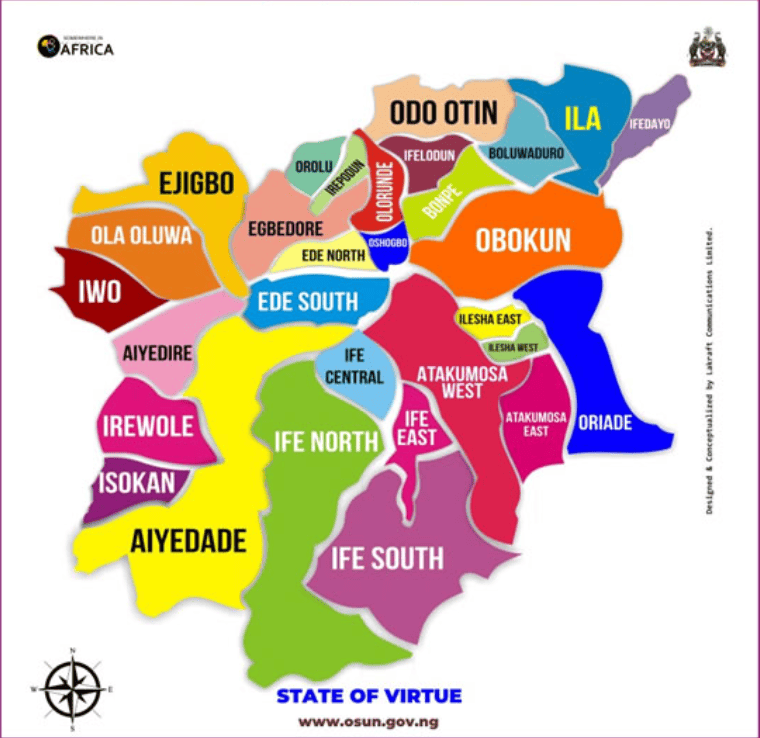
Osun State secures the third position among Nigeria's cocoa producing states through suitable conditions in its forest belt, strategic location between major producing states and Lagos market, and strong government support for agricultural development. The state accounts for approximately 15% of national cocoa output, producing over 35,000 metric tons annually.
Osun's competitive advantage includes good road connectivity to Lagos (200km from Osogbo), access to technical support from nearby CRIN, and lower land costs compared to Cross River and Ondo states. The state's cocoa production is expanding as rehabilitation programs replace aging trees with improved varieties.
Osun State Map
Best Regions/LGAs for Production
Primary LGA: Idanre
Idanre Local Government Area stands as Ondo State's premier cocoa-producing zone, renowned for producing the highest quality cocoa in the state. The area's unique topography featuring the famous Idanre Hills creates microclimates with excellent air drainage and well-distributed rainfall. Deep forest soils possess exceptional fertility ideal for cocoa cultivation.
Secondary LGA: Owo
Owo Local Government Area ranks as Ondo's second-most important cocoa zone, distinguished by its extensive production area and strong cooperative organization. The area's location along the Akure-Benin highway provides excellent road access, reducing transportation costs.
Tertiary LGA: Ile-Oluji/Okeigbo
Ile-Oluji/Okeigbo Local Government Area offers a balance of favorable growing conditions and developing infrastructure. The area presents opportunities for investors willing to invest in infrastructure development alongside production.
Growing Conditions
Climate
Tropical climate with distinct wet and dry seasons, similar to Ondo but with slightly less total rainfall requiring careful moisture management.
Soil Type
Forest soils (Alfisols and Ultisols) with adequate physical properties. pH 5.5-6.5, moderate organic matter (3-5%) requiring supplementation.
Rainfall
Annual precipitation 1,300-1,700mm, adequate but at lower end of optimal range. Seasonal pattern requires dry season management.
Temperature
Suitable year-round temperatures 28-32°C maximum, 20-24°C minimum. Similar variation to Ondo with cooler dry season nights.
Altitude
Production at 150-400 meters elevation. Higher areas benefit from cooler temperatures and better air drainage.
Water Availability
Adequate wet season rainfall but pronounced dry season creates moisture stress. Supplemental irrigation improves productivity.
Project Implementation Strategy
Phase 1: Land Acquisition & Preparation (Months 1-6)
Conduct site selection within optimal LGAs, prioritizing forest soil types and good drainage. Engage local chiefs for land acquisition. Target 50-100 hectares for commercial operations. Conduct comprehensive soil testing, clear land carefully preserving shade trees, establish internal roads and drainage, develop water points, and source improved hybrid seedlings from certified suppliers.
Phase 2: Planting & Establishment (Months 7-18)
Begin planting at onset of major rainy season (April-May). Mark positions at 3m x 3m spacing. Plant healthy 6-8 month seedlings, apply thick mulch, establish temporary shade using plantain/banana. Implement intensive weed control and pest monitoring. Apply ring weeding monthly for first year.
Phase 3: Maintenance & Growth (Months 19-48)
Apply balanced fertilizer (NPK 15-15-15) at 400g per tree every six months. Implement formative pruning from year 2. Intensify disease monitoring for black pod disease. Manage shade tree populations, gradually reducing temporary shade as cocoa canopies develop to optimal 30-40% shade level.
Phase 4: Harvesting & Processing (Months 49+)
First commercial harvest at 30-36 months. Harvest ripe pods at 2-3 week intervals during peak seasons. Break pods within 24 hours. Implement proper fermentation (5-6 days for amelonado) in wooden boxes. Sun-dry beans to 6-7% moisture content. Store in clean jute bags in ventilated warehouses.
Phase 5: Marketing & Distribution (Ongoing)
Develop marketing strategies before first harvest. Join farmer cooperatives for better prices. Consider direct export for operations producing 50+ tons annually. Pursue quality certifications (organic, Rainforest Alliance) for 20-40% price premiums. Diversify revenue through value addition and local processing.
Key Advantages & Success Factors
Infrastructure & Logistics
Excellent road connectivity to Lagos (200km) facilitates export and processed product distribution
Market Access
Strategic location between major producing states and Lagos market provides diverse marketing channels
Technical Expertise
Proximity to CRIN and Obafemi Awolowo University provides research support and technical training
Government Support
State agricultural programs provide support for cocoa production and processing
Input Availability
Developing supply chains and access to improved seedlings from CRIN and private nurseries
Conclusion
Cocoa production represents a proven agricultural investment opportunity combining strong international demand, government support, and established value chains. Cross River State offers optimal conditions with superior infrastructure and technical expertise. Ondo State provides similar growing conditions with good market access to Lagos. Osun State demonstrates expansion potential with lower land costs and strategic location. Investors should prioritize Cross River for established infrastructure, Ondo for quality production and market access, or Osun for lower-cost entry with growth potential.